A very happy 2014 to you and yours. As always, there are a few 2013 movies I’d still like to catch up on (The Act of Killing, Fruitvale Station, The Great Beauty, The Grandmaster, Short Term 12) and a few others waiting to be watched on the Netflix machine (Warm Bodies, Kon-Tiki, Berberian Sound Studio.) Nonetheless, a new year means it’s time for the annual GitM movie round-up, and 2013 isn’t getting any closer in the rear-view.
Like last year, I’ve gone on longer than usual to make up for the lack of reviews throughout the year. Overall, I’d say that, in spite of a disconcertingly bland summer full of films that needed major rewrites, 2013 ended up yielding a surprisingly bumper crop at the movies, as good as last year’s fare and arguably the deepest year since 2007. So without further ado, let’s get to the…
Top 25 Films of 2013
[2000/2001/2002/2003/2004/2005/2006/2007/2008/2009/2010/2011/2012/The Oughts]
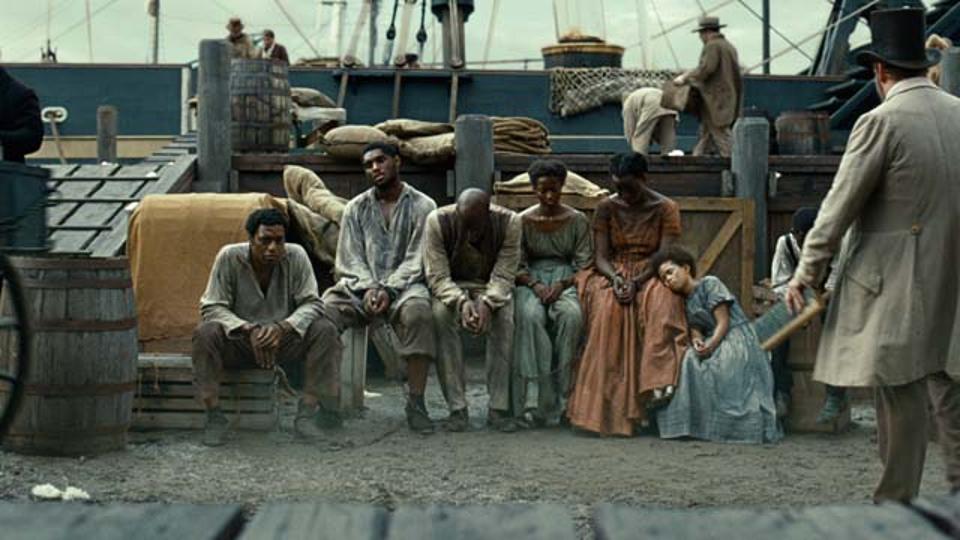 1. 12 Years a Slave: As someone who was underwhelmed by Hunger and outright hated Shame, I was as surprised as anyone that Steve McQueen’s 12 Years a Slave turned out to be the movie of the year. But as it happened, McQueen’s penchant for cold, painterly compositions of suffering and depravity was a perfect fit for this harrowing descent into America’s peculiar institution.
With all due respect to Michael Fassbender’s turn as the dissolute sadist Edwin Epps, the better performances in 12 Years a Slave are underplayed. As Solomon Northrop, Chiwetel Ejiofor — who first showed he had star wattage to spare ten years ago in Dirty Pretty Things — obviously carries the weight of the film, and he manages to subtly convey his character’s determination losing out to despair. Sarah Paulson’s work may not be as showy here as that of the Bender of Fass, but she is just as effective at illustrating the way antebellum slavery warped the mindset of the master class. (As the Cumber of Batch vignette points out, even a benevolent tyrant is still a tyrant.)
And, in a powerful cameo, moving about and berating his room of wares with a heartless dispatch, Paul Giamatti chillingly captures the cruelty and obscenity of the slave trade, in which children become commodities and family ties a nuisance to be overcome. (If the film’s producer, Brad Pitt, really wanted to make a bold statement, he’d have switched roles with Giamatti — As it is, his white savior turn here is the only real misstep in the movie.)
Obviously, this film is a hard watch at times, but, doggone it, it should be. After decades of dancing around the topic in anything from Gone with the Wind to Gods and Generals — even last year’s revenge fantasy, Django Unchained, mitigated the real horrors of slavery by giving its title character so much agency — 12 Years a Slave offers a steady, unblinking gaze at the underbelly of our republic, and underscores the grim reality so often obscured by our founding fictions: Only a century and a half ago, a great and terrible darkness festered in our erstwhile land of liberty, and its ramifications did not just disappear at Appomattox. If the audience ends up feeling like Pippen holding the palantir at more than a few moments throughout this tale, well that’s the point. Our past is complicated, and it’s time we did a better job of recognizing it.
 2. Before Midnight: Speaking of truths that hurt, Richard Linklater’s third stanza in the ballad of Celine (Julie Delpy) and Jesse (Ethan Hawke) captures another dark and fundamental one: However potent at first, love can be a tricky business after awhile. As I said in the Best of the Oughts list (where Before Sunset clocked in at #8), I can take or leave Before Sunrise — I saw it at an age when I was already far too cynical for it — but adored Before Sunset, and that’s still probably my favorite of the three. But Midnight is right up there, and I really admire Linklater, Hawke, and Delpy’s decision to take us into colder, murkier waters this time.
True, the first hour of this movie can seem a little unfocused: I didn’t mind spending all that time at a dinner party with characters we’ve never met, but it made the film feel a bit more like Linklater’s Slacker or Waking Life, both of which are given to a lot of random philosophical musing at the expense of forward momentum. But when Jesse and Celine go off for a walk by themselves, the movie starts to click again. And the last forty minutes or so are absolutely electric, as [spoiler] our two former lovebirds, ostensibly spending a romantic evening at a couple’s hotel, instead find themselves engaged in a knock-down, drag-out Airing of the Grievances that will ring all-too-true to anyone’s who ever been in a long-term relationship, on the rocks or otherwise.
Instead of giving us anything like a feel-good rom-com this time around (and seemingly much to the horror of some of the dumbstruck-looking couples at my showing…oof, Date Night Fail) — Before Midnight opts for a much more realistic and unflinching portrayal of a romance that, over the years, has accumulated its share of fractures, bruises, and silences. I’m not sure where the story goes from here, but definitely count me in for Before Noon in 2022.
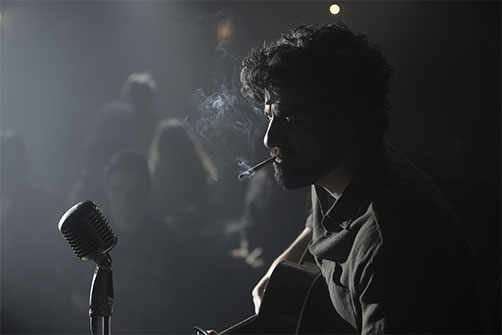 3. Inside Llewyn Davis: “If I had wings like Noah’s dove, I’d fly the river to the one that I love.” Given the confluence of the Coens and the Sixties folk revival here, this always seemed like a good bet to be one of my top movies of the year. As it happened, I did really like Llewyn Davis — but it’s also both a pricklier and jauntier film than I originally expected.
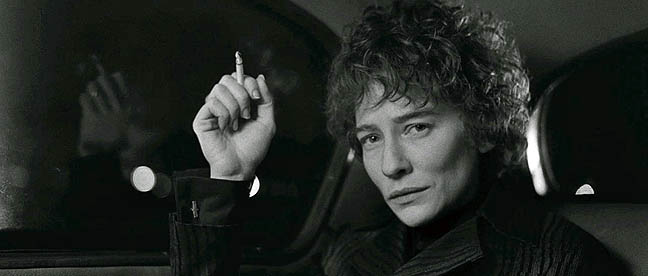
Even by Coen standards, the film has very little plot to speak of. We just follow Llewyn (Oscar Isaac, like Ejiofor another actor who’s been turning in excellent character work over the years) a folk singer as talented as he is unlucky and self-defeating, as he shambles around New York — playing gigs at the Gaslight, herding cats, and generally trying to stay afloat in the pre-Dylan scene. This is partly like the story of Dave Van Ronk, whose autobiography the Coens began with, and partly another artist-adrift-in-the-world-of-commerce story akin to Barton Fink — except, this time, Llewyn probably actually deserves to make it.
Especially in the random escapade to Chicago in the middle of the film, you get the sense that the Coens had no real interest in telling a traditional story here. Carey Mulligan (who, as it happens, played Oscar Isaac’s wife in Drive) starts out seeming like an important character and then just fades into that beautifully nostalgic freewheelin’ mist that permeates the look of the film. Other actors — Justin Timberlake, John Goodman, Adam Driver, F. Murray Abraham — appear for a few bars and move on.
I suppose the aimlessness of Llewyn could rankle. (One of my gradual school friends has a great theory about this – Llewyn Davis is folk-song as movie, with a deliberately elliptical structure and repeated refrains.) But I myself loved the look and feel of this film (the quality folk renditions don’t hurt either), and I appreciated its basic folk-song conceit: Sometimes, Hard Times are just a fact of life. If Llewyn was operating only a year or two later, he’d be a beneficiary of the Dylan boom (or, at the very least, a Phil Ochs type figure.) As it is, he’s just a unlucky soul, doing what he does best even while likely going under for the final time. I can’t wait to see this movie again, and to see what the Coens have up their sleeves next.
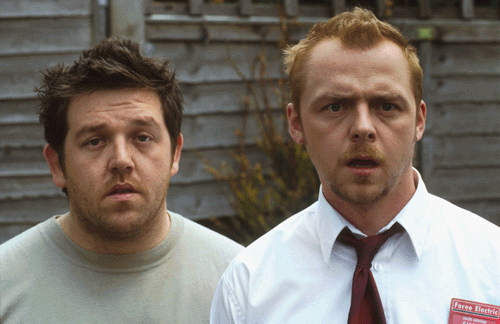
 4. The World’s End: In a summer of way too many dumb and bloated duds, Edgar Wright’s third chapter in the Cornetto Trilogy was very welcome counter-programming, and a smart, winsome night out with the lads. Of course, any time you have pros like Paddy Considine, Martin Freeman, Eddie Marsan, and Bill Nighy working in your ensemble, the final product should come out rather droll indeed. Still, this was one of the most purely pleasurable films of the year, and props to Wright, Simon Pegg and Nick Frost for crafting a film that felt fresh even while mining similar territory as their previous installments, Shaun of the Dead (folks being frightfully British in the face of robot/zombie hordes) and Hot Fuzz (strange things afoot, and the elders up to no good, in a wee English village.)
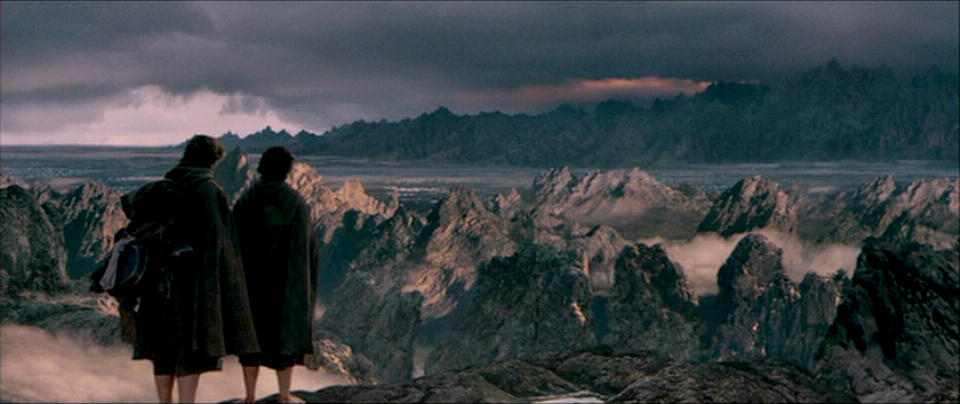
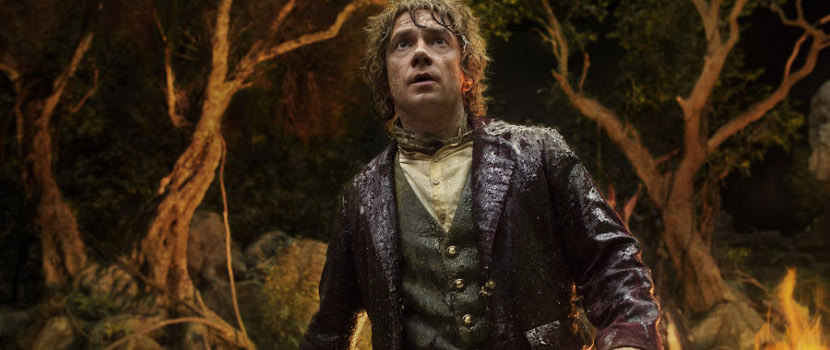
 5. The Hobbit: The Desolation of Smaug: At last, the Incident with the Dragon. This is actually the lowest any of PJ’s Middle Earth films have ever been on a year-end list, which is partly due to the strength of the movies already mentioned, and partly because this was the first time in five films that I felt like Jackson et al have lost the thread a bit.
Bilbo facing Smaug in a Game of Wits is the climactic confrontation of this entire story, but here its impact is diminished considerably by (a) the movie suddenly cutting to Legolas squaring off against a made-up end-boss Orc and (b) a long and contrived scheme, right out of Alien 3, whereby Thorin and the dwarves try to confuse the Old Wyrm with a large golden statue of Durin. This plan not only robs Smaug of menace by making him seem like a blind idiot. (Smaug the Terrible, the Chiefest and Greatest of Calamities, can’t manage to squash a single measly dwarf?) It’s another setpiece, not unlike the barrel ride earlier in the film and the escape from the goblin tunnels in An Unexpected Journey, where video game physics have completely taken hold of the picture. (It’s “The Desolation of Mario,” as one wag put it.)
So why is this still way up at #5? Well, I still relish being in Middle Earth, the occasional cartoony antics notwithstanding, and there’s a lot to like here, from Martin Freeman’s Bilbo to the hallucinations and spiders of Mirkwood to Gandalf at Dol Guldur to the character design of Benny CumberSmaug. I could have done without the Team Legolas/Team Kili stuff, but Evangeline Lilly’s Tauriel is otherwise a solid addition to the saga. And I just have a soft spot for these films — here’s hoping the third film doesn’t drift too far afield into fan fiction.
 6. Gravity: [Spoilers in this review] Alfonso Cuaron’s Gravity is up this high because it (along with Smaug) was the purest eye candy of the year — just a breathtakingly beautiful film at times, and well worth the extra price for IMAX 3D. (It’s also easily the best of the three space-mission-gone-wrong movies in 2013, though Europa Report isn’t half-bad.)
Unfortunately Gravity was also, let’s face it, schmaltzy as all hell — I wish Cuaron had had enough trust in his story and audience to forego, for example, cornball conversations about Bullock’s lost kid. And, even notwithstanding how close all the space stations are to each other here (a plot point I can forgive even though it too is absurd), the ultimate fate of Clooney’s endlessly jabbering astronaut is just a gross violation of basic physics. (And moving from the impossible to the improbable, I’d have been less annoyed by the end if Bullock had splashed down in the middle of nowhere, instead of twenty feet from paradise.)
All that being said, did I mention this film is beautiful? The space walk stuff alone would put it in the top ten.
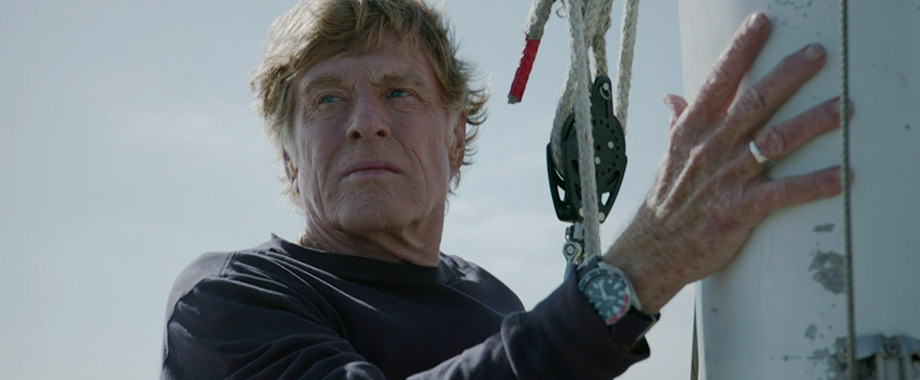 7. All is Lost: Still, I really wish Gravity had taken a few pages from another memorable survivor story of 2013, J.C. Chandor’s All is Lost. (Although to be fair, sailors apparently have gripes about this one also.) We never really find out anything about Robert Redford’s backstory in this movie, except that he’s 1%’er enough to own a spiffy yacht and curmudgeonly enough to be sailing it alone in the Indian Ocean. And, after a scene-setting monologue at the beginning, Redford (“Our Man”) barely says a word in this movie. Instead, his character is defined entirely by his actions, and the film’s considerable suspense comes. not from lathering on excess sentimentality like a paste, but merely from seeing a fellow human in a very bad situation, and witnessing an almost primal retelling of the Old Man and the Sea.
 8. American Hustle: I feel like, the significantly overpraised Silver Linings Playbooks notwithstanding, David O. Russell’s movies usually come in around the 7 or 8 spot every year, and American Hustle is no exception. Well-made, well-acted, well-written, Hustle is an engaging and entertaining Who’s-Conning-Who story of New Jersey grifters, set against the real-life story of Abscam and a healthy smattering of Seventies glitz. With strong work across the board (and from Christian Bale and Amy Adams in particular), Hustle also happens to contain the first honest-to-goodness performance I’ve seen from Robert DeNiro since…I dunno, Casino? In any case, well worth seeing.
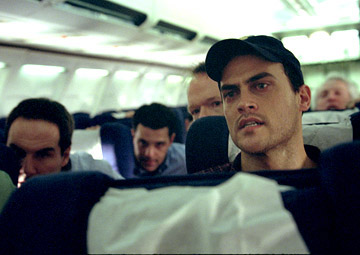
 9. Captain Phillips: Paul Greengrass had also a mulligan with Green Zone, but he’s another director who can be reliably trusted to deliver quality, and Captain Phillips — give or take ten clunky and moralizing minutes at the beginning — is no exception. Like the more resonant United 93, this is another gripping You Are There dramatization of a recent Bad Day on Earth, and like that earlier film, Greengrass makes sure to humanize and contextualize the bad guys — this time, the Somali pirates who are basically plying the only trade available to them.
As per De Niro above, it’s also good to see Tom Hanks giving a real performance here, and not just phoning it in or coasting on his star power. Apparently, he attributes it to his recent experience in last year’s Cloud Atlas, which marks another way that film, an interesting failure, is underappreciated.
 10. The Hunger Games: Catching Fire: He’s not a Russell or a Greengrass, but Francis Lawrence is another director who tends to make genre films — for example, I am Legend and Constantine — that are better than you’d expect them to be. And despite the fact that he’s operating from a more unwieldy book — I have no idea how they’re going to wrest two more blockbuster films out of Collins’ strange, admirably downbeat Mockingjay — Lawrence’s Catching Fire is a more immersive experience than the first Hunger Games movie, which, all apologies to Gary Ross, felt rote and by-the-numbers.
Did I love Catching Fire? No, not really – It hit at about the level of the later Harry Potter films. But much like the movie I have in the “most unfairly maligned” box below, I think you’d be hard-pressed to craft a better film from the source material, particularly given the constraint of continuing with the same actors from the first one. (I know Jennifer Lawrence is America’s sweetheart or whatever, but imho she’s still miscast here. Just because she was in Winter’s Bone doesn’t make her a perfect Katniss.) And, in any event, it’s great fun to see pros like Philip Seymour Hoffman, Jeffrey Wright, and Amanda Plummer work their way into the Panem proceedings.
 11. Nebraska: Like the next film on this list, Alexander Payne’s Nebraska is an auteur movie I admired but didn’t necessarily engage with. This all feels a bit like deja vu, partly because of similarly-themed road trips like The Straight Story, but more because Payne seems to be covering a lot of the same ground here that he did in About Schmidt, from June Squibb not taking any guff to the goofy, to the point of being uncharitable, extended family of the main character. (Jack Nicholson had to contend with Dermot Mulroney and his mullet; Now it’s Bruce Dern and Will Forte versus two greedy ex-jailbird twins. There’s also elements of The Descendants here, with Forte and George Clooney both discovering secrets about their loved ones after they become their caretakers.)
Still, with its storefront facades crumbling in luscious black-and-white, Nebraska works best as a gentle and elegaic reflection on the passing of a certain kind of small-town, 20th century America — this is probably the most sympathetic argument you’ll find for the Tea Party vision of the USA — and a reminder, a la “That Was Your Mother”, that your parents and grandparents had their own lives that you, as their kids, will never fully “get.” And if nothing else, it’s nice to see Bruce Dern, who’s put in fifty years of solid character work now, get this kind of extended curtain call.
 12. Her: I admittedly had stratospheric hopes for Spike Jonze’ Her, which has been billed as a direct descendant of my favorite movie of last decade, Eternal Sunshine. And, well, I really liked the near-future sheen of the production — its light satire of current media, its slightly-out-of-step fashions, and especially its gorgeous hybrid Los Angeles-Shanghai cityscape. This is an artful and mostly well-thought-out piece of science fiction, made with delicacy and driven by ideas rather than special effects, and that’s always welcome.
But as a love story? Er….not so much. Put aside the criticism that this is a movie about Joaquin Phoenix’s Theodore in love with a box, although I can definitely see why that’d be a dealkiller for some. Even if you accept the science fiction here, and allow that Scarlett Johansson’s Samantha is her own free-thinking entity, the vision of love being offered here is basically one never-ending phone call, where both people are constantly talking about their feelings. That’s true love? That…sounds exhausting. (Ask anyone I’ve ever dated – I’m not one for the phone. I text or e-mail.)
Not to say that true romance has to have a physical component, although in my experience it definitely helps. (And speaking of Samantha constantly lamenting her lack of physical form, I call shenanigans on the idea that civilization will somehow develop true AI before creepy love robots, but I digress.) To me, romance is also about simply experiencing things together — movies, music, dinner, travel, in-jokes. I suppose there’s some of that in Her – Theodore and his OS go to the beach and whatnot, but much more often it just seems to be a constant state-of-the-relationship phone call. No thanks.
Put another way, Her ends up being a lot like the fake letters that Theodore (rather improbably) writes for a living: An impeccably crafted simulacrum of romantic connection, Her relies on constant professions of feeling to cover up the fact that it’s really just a well-made artifice.
 13. Spring Breakers: Along with survival stories and harrowing space missions, another trend of 2013 were films that used either Youths Gone Wild and/or beach-ready hardbodies as a metaphor for the contemporary (and sickly) American Dream: See, for example, The Bling Ring, Pain and Gain, The Great Gatsby, The Wolf of Wall Street, and Don Jon. Of these, the best was, strangely enough, Harmony Korine’s hallucinatory bacchanal, Spring Breakers — a movie that sticks in your head like gum on your shoe.
Spring Breakers is undoubtedly inchoate and repetitive, and it can’t seem to decide if it wants to revel in trashiness, send it up, or go dumpster-diving for the lost innocence underneath. (Watch James Franco and his muses croon Britney Spears’ “Everytime” and tell me what you think.) But there still seems to be a method to the madness. Basically, this is Fear and Loathing in St. Petersburg, a savage and surreal journey into one of America’s playgrounds of frenetic excess, and James Franco is our Raoul Duke. “Spreng brayyke, Spreng brAYYke, forever.”
 14. Upstream Color: And speaking of hallucinatory and surreal journeys, Shane Carruth returned from his extended post-Primer hiatus to bring us this bizarre, intermittently captivating disquisition on love in the time of possession by parasites and animal-human hybrids. (Hey, if Joaquin Phoenix can adore an iPhone, why can’t Amy Seimetz and Carruth find fulfillment in their respective ManBearPigs?)
Like Primer, Upstream Color is mostly inscrutable the first time around — if it helps, I can tell you mindworms, acoustics, and pig daemons are involved — and I can see people just finding it pretentious and annoying. But, for what it’s worth, I found segments of Upstream Color evocative and entrancing, even if I had no clue what was going on. Sometimes you just go along for the ride.
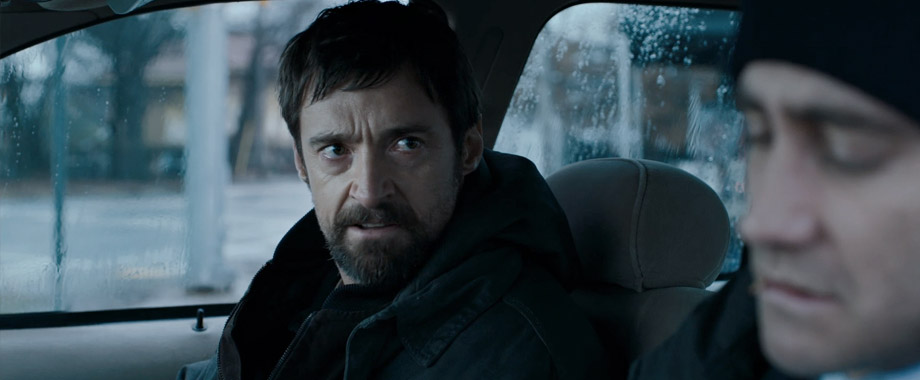 15. Prisoners: [Spoilers in this review] It’s been awhile — Sunshine, maybe? — since I’ve seen an otherwise excellent movie crash and burn so miserably in the last reel like Denis Villeneuve’s Prisoners. For the first two hours or so, this film — a story of missing children and their bereft parents, who have their eye on an all-too-likely suspect — is a powerful police procedural and grim disquisition on vigilantism that burns slowly and intensely. If it had ended earlier (and differently), Prisoners would be a top 10 film this year, and could plausibly be mentioned in the same conversation as, say, Mystic River, Zodiac, and even In the Bedroom.
That being said, I got a bad feeling when, late in the movie, suitcases full of snakes suddenly enter the investigation. And, sure enough, soon thereafter, an individual who had only been conspicuously cast up to that point (a la Stellan Skarsgard in the Dragon Tattoo remake) suddenly starts chewing scenery like one of the redneck family from The X-Files, and what had seemed a thoughtful exercise about the agony of un-knowing suddenly becomes a half-baked retread of The Vanishing. Alas, until that last-minute lurch, Prisoners was quite a good film, with Hugh Jackman particularly memorable as a father whose berserker rage would make Wolverine blanch.
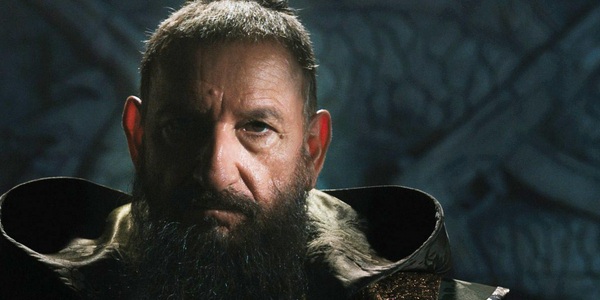 16. Iron Man 3: Shane Black’s Iron Man 3, which came out the first week of May, looks like an even better film in retrospect, given how many tentpoles stumbled later in the summer. While not as engaging as 2012’s The Avengers, it’s clearly an improvement on Tony Stark’s botched second adventure, and closer to the quality of the first one. And while I don’t want to spoil the (now contentious in fanboy circles) big twist, I actually loved being blindsided by it: Black basically used comic book folks’ foreknowledge against us, and, under everyone’s noses, pulled off a clever switcheroo that also works as very dark political satire. Well-played.
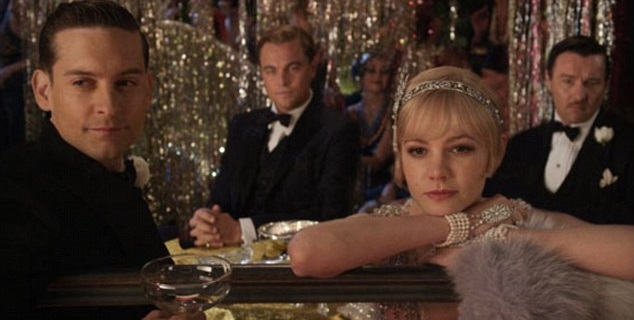 17. The Great Gatsby: Well, to be fair, F. Scott Fitzgerald did call it “the greatest, gaudiest spree in history.” In 3D, Baz Luhrmann’s overstuffed, overlong adaptation of The Great Gatsby is like too-rich chocolate cake — It’s fun for awhile, until you start to feel a little sickly. But that’s also sort of the point of the book, so this adaptation also works in a meta-fashion. In any event, I quite enjoyed this ludicrously busy film for about 45 minutes or so, but began to check out when Gatsby began to court Daisy Buchanan in earnest, and there was still another hour or so to go. But hey, if you’re going to overshoot the mark, why not overshoot it gloriously? Gatsby would be proud.
 18. Kill Your Darlings: A.K.A. The Beats: Origins: Rise of Ginsburg, in the modern-day movie parlance. In any event, this New York City coming-of-age story about Allen Ginsburg’s Columbia days made for a solid afternoon arthouse matinee, with quality performances by Daniel Radcliffe (clearly trying, and mostly succeeding, to shake Harry Potter), Ben Foster (doing an uncanny William Burroughs impression), Jack Huston (playing Kerouac with — strangely for Boardwalk Empire viewers — his entire face), and Michael C. Hall. (David Cross, who played a later version of the poet in I’m Not There, also shows up to pass the Ginsburg baton.) I have to say, tho: After only a handful of movies (Chronicle, The Place Beyond the Pines), I find Dane DeHaan’s schtick wearing thin. Your mileage may vary.
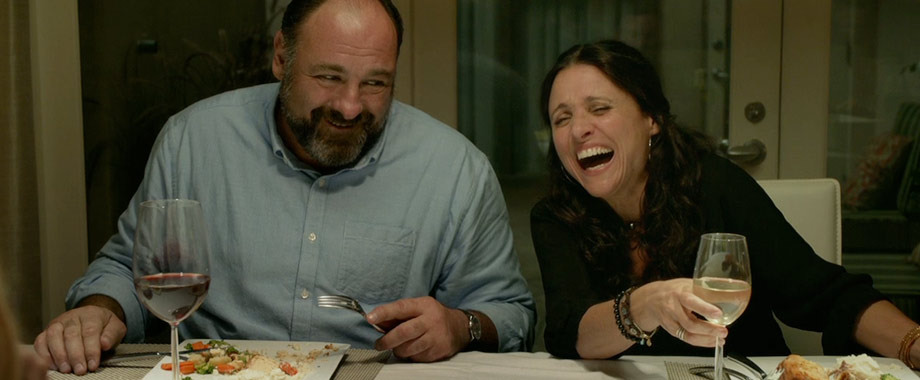 19. Enough Said: If you’re looking for a light entertainment, Nicole Holofcenter’s amiable romantic comedy — about a masseuse (Julia Louis-Dreyfus) who discovers that her new best friend (Catherine Keener) and new boyfriend (James Gandolfini) used to be married to each other — is a small, well-observed, and worthwhile film in the key of The Kids Are All Right. Fair warning, tho’: Some of the gentle ribbing about Gandolfini’s weight here takes on a morbid cast with his recent passing. (Pro-tip: If Enough Said whets your appetite for more Gandolfini comedy, there’s always the estimable In the Loop.)
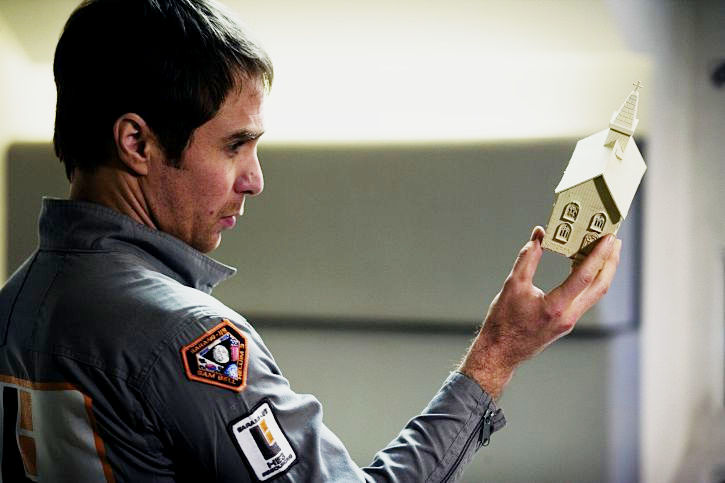
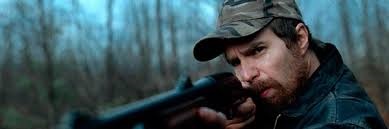 20. A Single Shot: Much like Sam Raimi’s A Simple Plan, an aura of inexorable doom hangs over this backcountry noir by David Rosenthal, which involves hunter Sam Rockwell accidentally firing at the wrong target and unearthing that inevitable albatross, a giant bag of money. Rockwell — invariably an appealing presence in good films and bad (alas, he had a terrible movie in 2013, which I’ll get to in a bit) — holds the screen even as a very reticent woodsman. But the real pleasure of A Single Shot is that it eventually amounts to an actor’s workshop for some very quality character actors, including Jeffrey Wright, William H. Macy, Ted Levine, and Jason Isaacs.
 21. Dallas Buyers Club: Deep in the heart of Texas, Matthew McConaughey and Jared Leto lose weight and buck admirably for Oscars in the true story of Ron Woodroof, a homophobic good-ole-boy turned AIDS activist, also with Jennifer Garner, Steve Zahn, Denis O’Hare, and Griffin Dunne. (Griffin Dunne!) There’s not much to say about this one: It’s an admirable production, and McConaughey and Leto both give 110% and deserve their likely Oscar nods. But this film still has trouble shaking that Oscar-baity, overly earnest biopic feel. And as someone who generally thinks the FDA should be assuring the safety of medical drugs, I had issues with some of the anti-Big Guvmint grandstanding here.
 22. Frances Ha: At first, this story of a young woman in Brooklyn (Greta Gerwig) and her attempts to both make it in modern dance and stay besties with her friend Sophia (Mickey Sumner) feels like another variation on HBO’s Girls, a show whose self-indulgence and first-world-problems whining I quickly grew bored with. (Adam Driver showing up here doesn’t help with the differentiation.) But Frances soon establishes its own quirky rhythm, and it’s refreshing, after Squid and the Whale, Margot at the Wedding, and Greenberg, to see Noah Baumbach telling the story of a likable New Yorker for a change.
 23. Computer Chess: Another quirky, dialogue-driven black-and-white comedy here for the later going, this small-scale indie by “Mumblecore Master” Andrew Bujalski follows a bevy of programmers — the only recognizable one being Wiley Wiggins of Dazed and Confused and Waking Life, all grown up — as they lug their Tandys and Commodores to a weekend computer chess tournament in the early 1980’s, hoping to show off the best AI, impress each other, and maybe craft a little bit of the future. Like Upstream Color, this occasionally absurdist tale is more about tone than anything else, but I liked its home-coded, DIY aesthetic and standing-on-the-threshold-of-tomorrow unease.
 24. This is the End: If I have to pick a pack of dudebros to await the end the world with, I’d rather hang with Simon Pegg and the lads up above at spot #4 than find myself at the Franco residence, hiding out from the Rapture with the likes of Seth Rogen, Jay Baruchel, Craig Robinson, Oscar-nominee Jonah Hill, and Danny McBride. But to give credit where due, Rogen and Evan Goldberg’s apocalyptic raunchfest will leave no boundary of good taste uncrossed to make you laugh, and they’ve brought along any number of friends and neighbors willing to be involved in a ridiculous cameo or three.
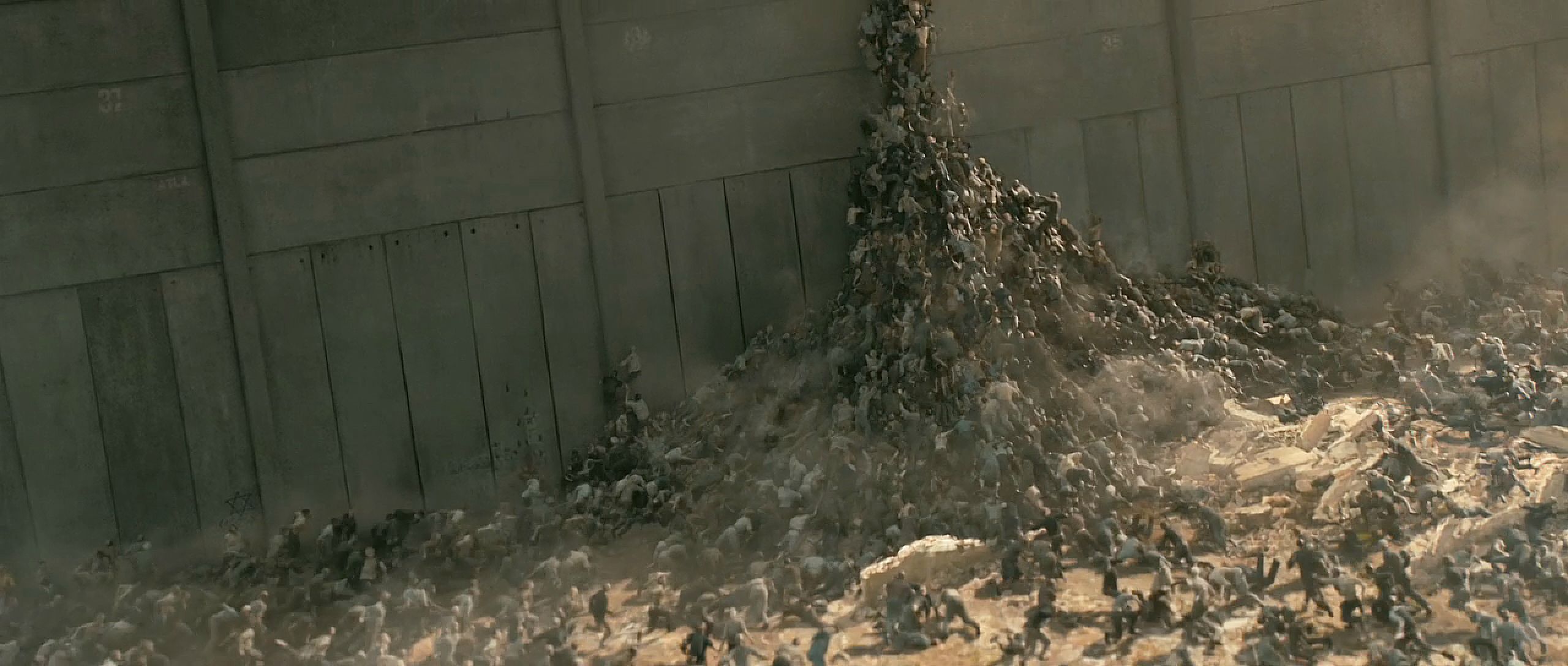 25. World War Z: As always, the last spot here could go to a number of different films, from the admirably strange Chan-Wook Park Southern gothic Stoker to the better-than-expected James Mangold episode of The Wolverine. I went with World War Z, since — despite all the terrible hype surrounding this project beforehand — this Marc Forster/Brad Pitt blockbuster actually turned out to be not-half-bad. It wasn’t much like the book, of course, and I could’ve done without the seemingly grafted-on Harrison Ford-style “My wife! My family!” phone calls here and there. Still, I liked that the movie sprinkled a few moments of quiet creepiness in with the action setpieces — say, in North Korea with David Morse and James Badge Dale, or in Scotland with, er, WHO Doctor…Who. So all in all, no harm, no foul. I just wish they’d sprung for the original bizarro ending.
MOST DISAPPOINTING:
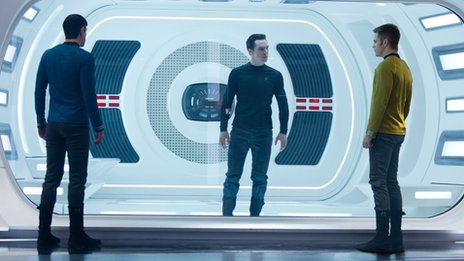 Star Trek: Into Darkness: The hackadocious ST:ID has already been good and thoroughly eviscerated by the folks at Io9, so I’ll just repost what I said when I posted that worthy link: “The first one had a number of egregious plot holes too, of course, but it at least had a charming cast and the benefit of novelty. The charming cast remains, but since Into Darkness is otherwise just a lousy and ultimately insulting remix of Wrath of Khan with a frisson of 9/11, the extreme dumbness here is even more aggravating.” As one wag put it soon after this disaster, maybe in the rebooted universe it’s the even movies that are terrible.
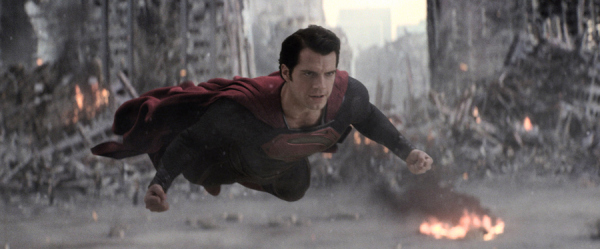 Man of Steel: Zack Snyder’s Man of Steel was nowhere near as aggressively insulting as Into Darkness, but it suffers from similar issues — namely a really sloppy script and far too much 9/11ness throughout. I thought Henry Cavill made for a superlative Superman (and I’m not just saying that because he’s a fellow Warcraft enthusiast), but really, what was going on in the writing department? Why does Russell Crowe keep popping up like Basil Exposition? Why was Amy Adams taken up to the Krypton ship? And, even notwithstanding the extremely out-of-character decision Kal-El makes here near the end, why is Superman trying to destroy Metropolis? (Zack Snyder gave his answer for the ridiculous collateral damage here – I don’t think it washes.)
As with Green Lantern, I’m willing to give this movie a mulligan and hope DC rights the ship with Batman v. Superman v. Wonder Woman or whatever it’s called. But right now, DC is lagging far behind Marvel in the world-building-on-film department. And, for now, Cavill is the second Supes in a row, after Brandon Routh, to deserve a better adventure.
 To the Wonder: Oof, To the Wonder. It’s great to see Terence Malick becoming a more productive filmmaker in his later years — after making four movies between 1973 and 2005, he’s now made two films the past two years (the other being The Tree of Life) and has two more in the can. Unfortunately, to my eyes To the Wonder — ostensibly the story of Olga Kurylenko and Rachel McAdams’ romantic issues with Ben Affleck (who, other than his back and shoulders, was seemingly left on the cutting room floor) — was an incoherent, disjointed mess that came across like somebody doing a parody of a Malick film. Here’s hoping for better from Knight of Cups.
 Elysium: [Spoilers in this review] So it seems here like Neil Blomkamp had a few ideas for a decent science fiction story — The few Haves live in a deluxe orbital paradise in the sky and all enjoy free health care, the many Have-Nots are stuck on a dusty, windswept Earth, have no health care at all, and are always trying to break in to said orbital Nirvana — but no actual plot to speak of.
As a result, Elysium, Blomkamp’s calamitous sophomore effort after the promising District 9, was another movie in a summer full of them that made absolutely no sense at all. Since these magical cure-all health care machines seem to operate without cost, why weren’t a few already sent down to Earth long ago? And if that MacGuffin-y station reboot code is so all-powerful, why didn’t ruthless businessman William Fichtner, who was carrying it around the first third of the movie, just depose Jodie Foster (who’s embarrassing here) and make himself Emperor of Elysium? Makes. No. Sense.
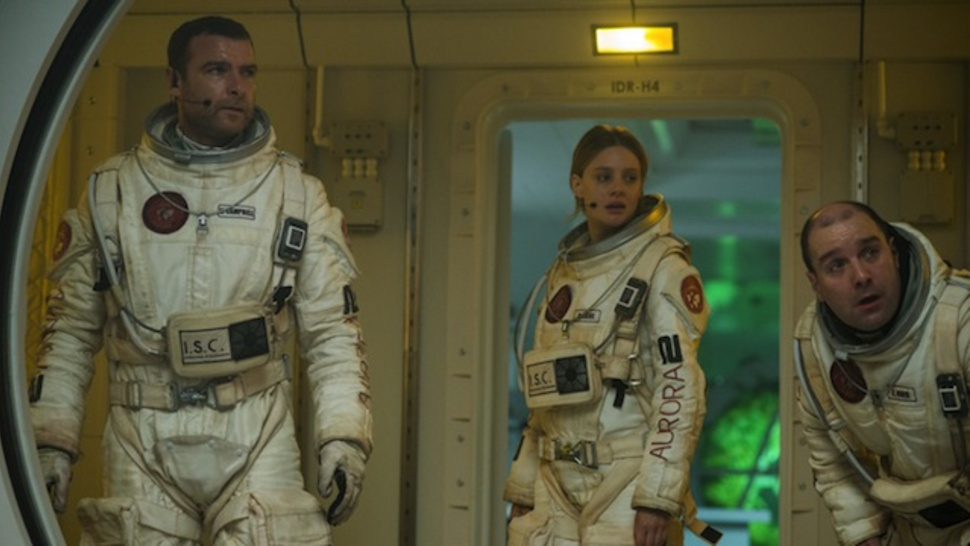 The Last Days on Mars: It’s a bit unfair to include this among the “Most Disappointing,” because this is basically just a bad indie film you might find on Syfy — Nobody was waiting in line at midnight to see The Last Days On Mars. Still, it’s depressing to see the Murderer’s Row of talent assembled for this science-fiction tale — Olivia Williams, Elias Koteas, Romola Garai, Liev Schreiber — and then have the hook turn out only to be The Walking Dead on Mars. Everyone here, and especially Williams and Koteas, deserves better.
MOST OVERRATED:
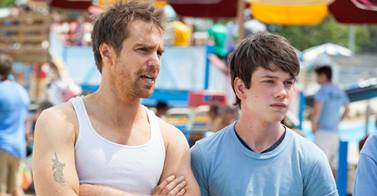 The Way, Way Back: In the opening moments of this glib, trite Cape Cod coming-of-age story, Mom’s mean new boyfriend (Steve Carell, playing against type) berates a sullen teenager (Liam James) on the drive out to summer vacation, telling him that, on a scale of 1 to 10, he’s only a 3. Well, that’s about right for this painfully clunky movie as well, which would just be an inoffensive bore if it wasn’t weirdly being hailed in some corners as an under–appreciated 2013 gem.
Honestly, it is bewildering to me that this film received such positive attention. All the saccharine dollops of It Gets Better here can’t obscure the fact that, for two uninvolving hours, we’re stuck on the Cape with a whiny, passive protagonist — who never does anything to suggest that Carell, however dickishly, didn’t have him dead-to-rights in the first reel — and a bunch of hackneyed, one-dimensional characters out of an ABC afterschool special.
Why does the Girl Next Door (AnnaSophia Robb) seem to be interested in our hero? Why does Local Cool Guy Sam Rockwell (and you know it’s a stinker when even Rockwell can’t save your flick) take him under his wing? Well, mainly because these are the sorts of things that happen in movies like these. If you’re hankering for a sweet coming-of-age “That One Summer It All Changed” type movie, rent Adventureland (or, if it has to be on the Cape, rent One Crazy Summer). But The Way, Way, Back is Not, Not It.
 Stories We Tell: I’ll tread lightly here because I like Sarah Polley as both an actress and director (Take This Waltz was #17 last year), and I’m still interested in whatever she’s up to next. Suffice to say, I could never get over the inherent narcissism of this much-heralded documentary, about Polley slowly discovering that her father (actor Michael Polley, whom I knew from Slings & Arrows) may or may not in fact be her father. For some unfathomable reason (other than, I suppose, a documentary could be made), Polley chooses to interrogate every single one of her family members — except her mother, a flighty soul who died of cancer when Sarah was 11 — about this potential revelation, on camera. Erm…ok.
I just don’t get it. It’d be one thing if the House of Polley’s deep dark secret was something more interesting or world-historical than illegitimate parentage. (Nazis in the attic or somesuch.) But, as it is, Stories We Tell is just the documentary equivalent of a Selfie. It doesn’t have anything particularly noteworthy to say, other than, ok, a lot of families have “lies mutually agreed upon,” and I grew bored and eventually a bit disturbed by the egoism and exhibitionism of the whole enterprise. No shame if Polley wants to go digging in the family dirt, but I’m not sure why I really need to be involved.
 The Wolf of Wall Street: So this was my birthday movie this year, which basically means that, alas, my girlfriend and I recently spent the afternoon of December 29th with a bunch of insufferable douchebags. Let our terrible mistake be your good fortune — This one can be skipped. (At least know what you’re in for: As an early Spike Jonze cameo telegraphs, this is essentially an unfunny three-hour episode of Jackass.)
Scorsese’s Wolf would’ve been innocuous enough if it had been 90 minutes long or so: In fact, a first-act power lunch with DeCaprio and Matthew McConaughey gets all the “these guys are nihilistic, worthless wastes of space” points across fine enough, no need to belabor it. But at three ever-lovin’ hours, the film wears out its welcome well before the end, and somewhere in that third hour — around the time DeCaprio is screaming at and gut-punching his second wife (Margot Robbie), so that we all leave knowing the asshat behavior we’ve witnessed for 180 minutes is actually not ok — I’d joined the douchebag train myself and was idly scrolling through my phone in the theater, waiting for somebody to give this dire Wolf the Grey Wind treatment, or at least throw him in the clink already.
Anyway, like all too many fratboy and/or Wall Street types, the film is not nearly as hilarious or as transgressive as it thinks it is — for example, the too-long-by-far traveling-on-Quaaludes scene was more funny and more concise (with ether) in Terry Gilliam’s Fear and Loathing. And, as I said up above, there were plenty of other movies mining this “grotesque excess is the new American independence” vein in 2013 — just go see Gatsby or Spring Breakers instead.
 Blue Jasmine: This one’s not terrible or anything — it’s no Cassandra’s Dream — and Cate Blanchett is a pro as always. But Blue Jasmine is no Midnight in Paris either: It’s basically just Woody riffing on (re: cribbing from) A Streetcar Named Desire by way of the financial crisis — There’s not a lot of there there. Also, even though he must know a lot of uber-rich Manhattanites, Allen seems as clumsy about class here as always: Blanchett and Baldwin’s spoiled Ivy League kid here seems like he’s a member of Harvard’s Class of 1942. (On the blue collar side, Sally Hawkins and, surprisingly, Andrew Dice Clay, do better at crafting real people out of class stereotypes.) Again, Blue Jasmine isn’t a travesty or anything, but it’s not top-shelf Woody by any means, and has been significantly overpraised.
MOST [UNFAIRLY?] MALIGNED:
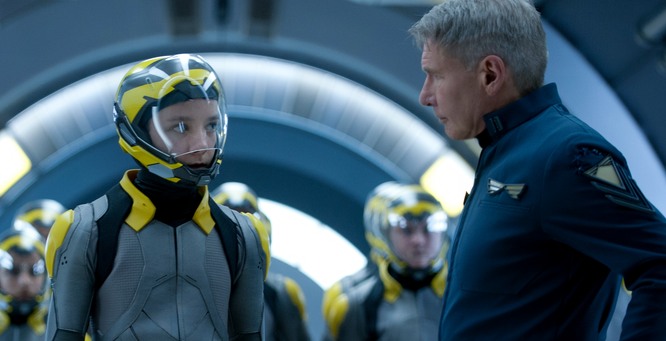 Ender’s Game: The long-awaited movie adaptation of this science fiction standard got quite a bit of bad press before release because, well, author Orson Scott Card is a terrible human being. (That’s why I have “unfairly” in brackets up above: Card has been a malignant enough presence over the years. Malign away!)
All that being said, if you’re not inherently averse to all things Card at this point, I thought Gavin Hood’s film was a surprisingly decent adaptation of the once-acclaimed novel (which I enjoyed enough in high school — I haven’t read it since.) Despite being a bit long in the tooth for the part, Asa Butterfield made for a quality Ender, with the necessary streak of amoral darkness about him. (We could’ve used Butterfield for Anakin Skywalker back in the day — but even in that Phantom Menace era, the very similar Lucas Black was always available.) And, speaking of Star Wars, hey, Harrison Ford is alive here! Always good to see.
WHAT IS THIS I DON’T EVEN:
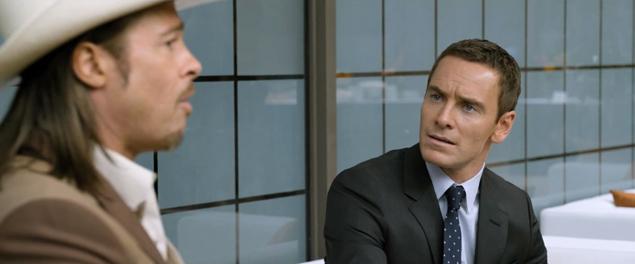 The Counselor: So, The Counselor. In a nutshell, Michael Fassbender is a slick Texas lawyer — everybody keeps calling him “Counselor,” Counselor — who, while wooing good girl Penelope Cruz, gets involved in a shady Mexican cartel-connected drug deal with two acquaintances who definitely know better, Javier Bardem (along with his bad girl wife, Cameron Diaz) and Brad Pitt. Naturally, as a result of some unfortunate happenstance — and side-dealing by one of the parties involved — Bad Things Happen. But you knew they would, didn’t you, Counselor?
Was The Counselor actually a good movie? Well, that one’s easy: No, no it wasn’t. Was it terrible? Well, Counselor, I think so, but to be honest I’m not even entirely sure. Just as To the Wonder seemed like a Malick parody, this one reads and watches like a parody of Cormac McCarthy — We have the macho posturing, lots of misogyny of the madonna/whore and vagina dentata variety, no small amount of Old Testament speechifying, and plenty of cartoon nihilism, Texas-style. Of course, I think, No Country notwithstanding, most of McCarthy’s stuff reads like parody — Blood Meridian was terrible; there, I said it — so your mileage may vary.
What I do know is that The Counselor was completely cuckoo-bananas, that it did linger in my mind for several days after watching it, and that, if nothing else, I remain sort of impressed that an A-list movie this strange, verbose, and relentlessly dark made it to the screen in this form. But am I recommending it? God, no, Counselor, you’ll sue me…or worse.
 Only God Forgives: Nicholas Winding Refn’s Only God Forgives, which has Ryan Gosling playing a Hamlet of sorts in the Thai boxing underworld, is an easier mark: This is definitely not a good movie. (Ok, the lighting’s not bad.) I liked Drive less than most people, but still thought Refn’s Bronson was an impressively savage little number. But this movie, which plays like a film school homage to David Lynch, is a nearly unwatchable mess, and I feel terrible for Kristin Scott Thomas that she wasted her playing-wildly-against-type movie moment (See also: Ben Kingsley in Sexy Beast, Ralph Fiennes in In Bruges) in this drek.
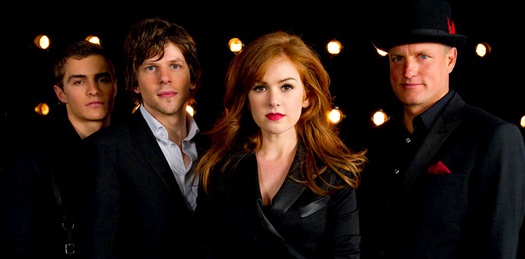 Now You See Me: WHAT IS THIS I DON’T EVEN.
THIS JUST IN | UPDATE | BREAKING NEWS | MUST CREDIT GITM:
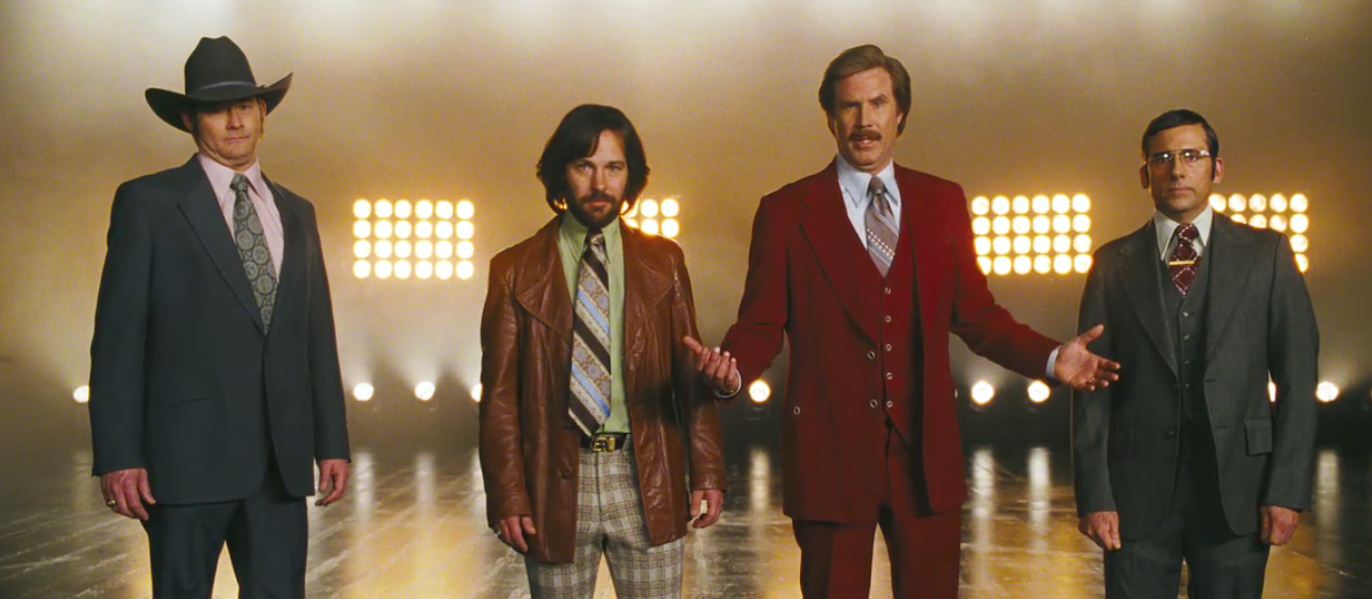 Anchorman 2: The Legend Continues: I was just reminded that I totally forgot to include Anchorman 2: The Legend Continues anywhere on this list. Mistakes were made, I regret the oversight, and I just want to take this moment to apologize in full to Mr. Burgundy and the entire Channel-4 News Team. (If it’s any consolation, I went to your Newseum exhibit. Also, what do you want me to do? I’m bliiiind!)
In any event, there’s too much Brick and far too little Baxter, but if you enjoyed the first one, this chapter — which has Ron and his crew taking their talents to CNN and the Big Apple, partying like Wolves of Wall Street, and learning the world a thing or two about car chases — hits at about the same level of hilarity: Maybe slot this somewhere in the late teens/early twenties? I dunno, I immediately regret this decision.
THE REST:
Worth Netflixing: Big Star: Nothing Can Hurt Me (2012), Don Jon, Europa Report, John Dies at the End, Monsters University, Oblivion, Pain and Gain, The Place Beyond the Pines, Side Effects, Stoker, Thor 2: The Dark World, West of Memphis
Don’t Bother: Admission, The Bling Ring, Closed Circuit, Drinking Buddies, The Fifth Estate, Gangster Squad, Kick-Ass 2, Much Ado about Nothing, Oz the Great and Powerful, Pacific Rim.
Best Actor: Chiwetel Ejiofor, 12 Years a Slave; Oscar Isaac, Inside Llewyn Davis; Robert Redford, All is Lost, Christian Bale, American Hustle; Tom Hanks, Captain Phillips
Best Actress: Julie Delpy, Before Midnight; Sandra Bullock, Gravity; Cate Blanchett, Blue Jasmine; Amy Adams, American Hustle; Amy Seimetz, Upstream Color
Best Supporting Actor: Jared Leto, Dallas Buyer’s Club; Jeffrey Wright, A Single Shot; Ben Nelson, Kill Your Darlings; James Franco, Spring Breakers; Ben Kingsley, Iron Man 3
Best Supporting Actress: Lupita Nyong’o, 12 Years a Slave; Sarah Paulson, 12 Years a Slave; June Squibb, Nebraska; Maria Bello, Prisoners; Amy Adams, Her
Unseen: 2 Guns, 21 and Over, 42, 47 Ronin, The Act of Killing, After Earth, Aftershock, Ain’t Them Bodies Saints, August: Osage County, Austenland, Bad Grandpa, Baggage Claim, Beautiful Creatures, Berberian Sound Studio, Black Nativity, Blue is the Warmest Color, The Book Thief, Broken City, Bullet to the Head, The Butler, Byzantium, The Call, The Canyons, Carrie, CBGB, The Colony, The Company You Keep, The Croods, Dead Man Down, Delivery Man, Despicable Me 2, Diana, Epic, Escape Plan, Fast and Furious 6, Frozen, Fruitvale Station, Getaway, GI Joe: Retaliation, A Glimpse Inside the Mind of Charles Swan, A Good Day to Die Hard, The Grandmaster, The Great Beauty, Grown Ups 2, Grudge Match, Hansel and Gretel: Witch Hunters, The Hangover Part III, The Heat, Homefront, Identity Thief, In a World, The Incredible Burt Wonderstone, Insidious 2, The Internship, The Invisible Woman, Jack the Giant Slayer, Jobs, Kon-Tiki, The Last Stand, Last Vegas, Laurence Anyways, The Lone Ranger, Lone Survivor, Machete Kills, Mama, Mandela: Long Walk to Freedom, Movie 43, Mud, Oldboy, Olympus Has Fallen, Out of the Furnace, Paranoia, Parker, Parkland, Percy Jackson 2, Philomena, Planes, Post Tenebras Lux, The Purge, Red 2, Redemption, The Reluctant Fundamentalist, Riddick, R.I.P.D, Romeo and Juliet, Runner Runner, Rush, Saving Mr. Banks, The Secret Life of Walter Mitty, The Smurfs 2, The Spectacular Now, Stand-Up Guys, Trance, Turbo, Twenty Feet From Stardom, Warm Bodies, We’re the Millers, White House Down, The Wind Rises, Winnie Mandela, You’re Next.
A Good Year For:
- Amy Adams (American Hustle, Her, Man of Steel)
- Ben Kingsley Reveals (Ender’s Game, Iron Man 3)
- Black and White (Computer Chess, Frances Ha, Nebraska)
- Character Actors in Lead Roles (12 Years a Slave, Inside Llewyn Davis. A Single Shot)
- De Caprio Blinging (The Great Gatsby, The Wolf of Wall Street)
- Fassbatch (12 Years a Slave, The Hobbit: The Desolation of Smaug)
- Harrowing Tales of Survival (12 Years a Slave, All is Lost, Captain Phillips, Gravity)
A Bad Year For:
- The American Dream (The Great Gatsby, Spring Breakers, Pain and Gain, The Wolf of Wall Street)
- Javier Bardem (The Counselor, To the Wonder — but he’s very watchable in both.)
- Cumberbender (The Counselor, The Fifth Estate, Star Trek: Into Darkness)
- Maersk (Captain Phillips, All is Lost)
- Making it in NYC (Frances Ha, Inside Llewyn Davis)
- Missions in Space (Europa Report, Gravity, The Last Days on Mars)
- Symbols of Presidential Power (Iron Man 3, Olympus Has Fallen, White House Down)
2014: 3 Days to Kill, 22 Jump Street, 300: Rise of an Empire, Alexander and the Terrible, Horrible, No-Good, Very Bad Day, The Amazing Spiderman 2, Annie, That Awkward Moment, Bad Words, Big Eyes, Birdman, Blended, Captain America: The Winter Soldier, Chef, Child 44, Dawn of the Planet of the Apes, Divergent, Draft Day, Dumb and Dumber To, Edge of Tomorrow, Endless Love, Exodus, The Expendables 3, A Fantastic Fear of Everything, The Fault in Our Stars, Foxcatcher, Fury, The Giver, Godzilla, Gone Girl, Grace of Monaco, The Grand Budapest Hotel, Guardians of the Galaxy, Hercules: The Thracian Wars, How to Catch a Monster, How to Train Your Dragon 2, The Hunger Games: Mockingjay, Pt. 1, I, Frankenstein, Inherent Vice, Interstellar, The Interview, Into the Woods, Jack Ryan: Shadow Recruit, Jane Got a Gun, Jersey Boys, The Judge, Jupiter Ascending, Labor Day, The Lego Movie, Lucy, Magic in the Moonlight, Maleficent, Million Dollar Arm, A Million Ways to Die in the West, The Monuments Men, A Most Wanted Man, Mr. Peabody & Sherman, Muppets Most Wanted, Neighbors, Noah, Non-Stop, The Nut Job, Nymphomaniac, Paddington, Paranormal Activity: The Marked Ones, Pompeii, The Purge 2, Ride Along, Rio 2, Robocop, Sabotage, Serena, Sex Tape, Sin City: A Dame to Kill For, St. Vincent de Van Nuys, Tammy, Teenage Mutant Ninja Turtles, This is Where I Leave You, Transcendence, Transformers 4, Unbroken, Vampire Academy: Blood Sisters, Veronica Mars, Welcome to Yesterday, Walk of Shame, Winter’s Tale, X-Men: Days of Future Past, The Zero Theorem, and
“So began a battle that none had expected; and it was called the Battle of the Five Armies, and it was very terrible…”